
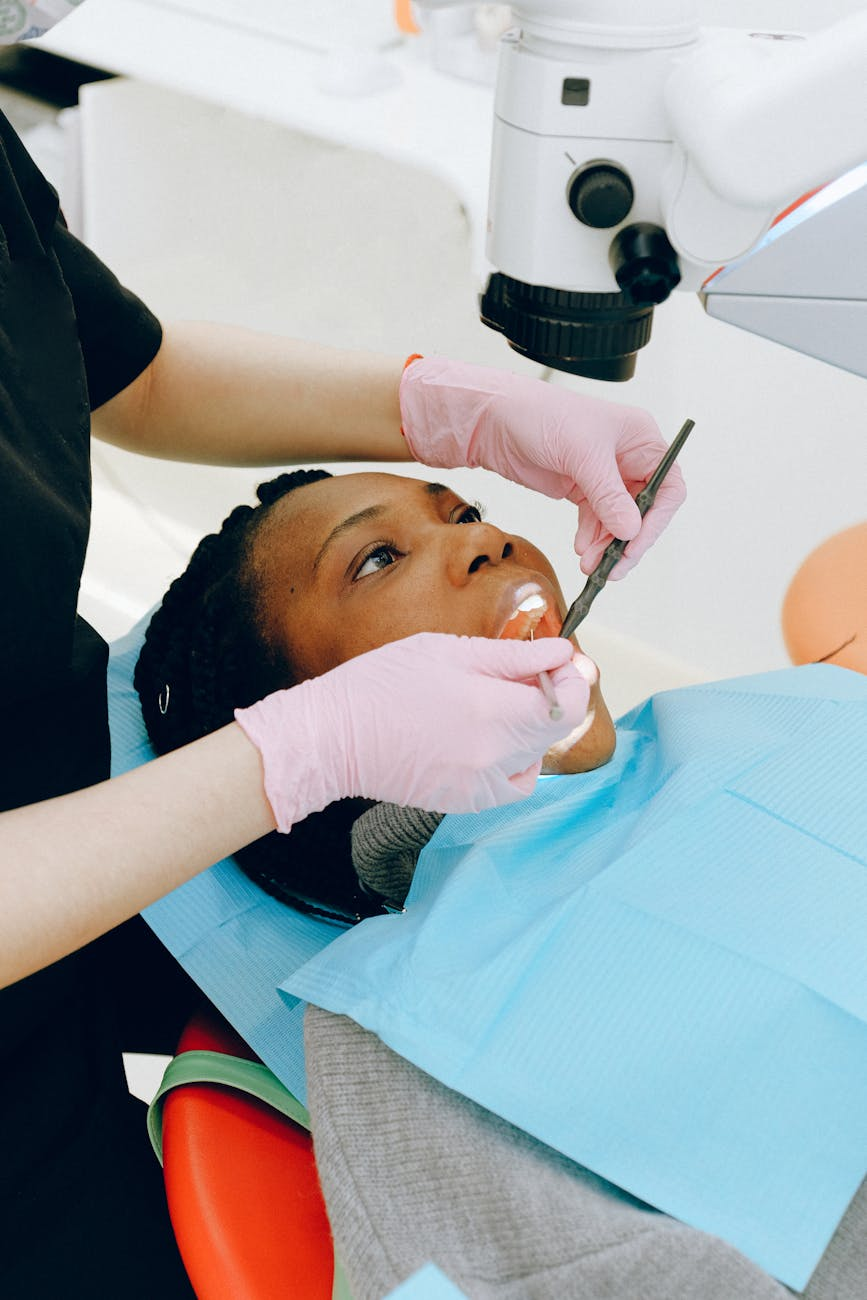
If you are used to the American style of dental visits—sitting in a chair for 60 minutes while a hygienist chats with you—the Japanese experience will be a bit of a “culture shock.” It is efficient, highly regulated, and incredibly affordable.
Because dental care is covered under the 70/30 National Health Insurance split, a standard check-up and cleaning is remarkably cheap.
- With Insurance: Expect to pay between ¥2,500 and ¥4,000 ($18–$28 USD) total for a visit that includes X-rays, a gum health check, and a cleaning. Cleanings covered by insurance are often split into two separate appointments, one for the lower teeth and one for the upper teeth.
- Without Insurance (“jihi” or self pay): If you’re a visitor, the cost is anywhere between ¥8,000 to ¥20,000, and the cleaning is done in one go. However, every dental clinic will have their own rate so you’ll want to do some research.
Searching for a Dental Clinic
Japan has a lot of Dentists and Dental Clinics. However, the overwhelming majority of them cater to locals with National Health Insurance and even if they have self pay rates (“jihi”), they’re often not published online. I did some googling specifically for clinics that had self pay rates published online and found several in my area in Tokyo.
There are some that seem to cater to non-locals and have a dentist who speaks English. In the end, I went to one that was a Japanese-speaking clinic although I noticed some Americans among the people in the waiting area. The cost was clearly noted on their website, I was able to get a booking for the same day and I ended up paying about 1/4 of what I typically pay in the U.S. This one was specifically for cleaning and whitening. I made my appointment through their booking app for the same day and was able to pay with a credit card.
Scaling and Polishing
In the United States, a dental cleanings include both Scaling (to remove plaque and tartar) and Polishing. In Japan, depending on where you go, they may be separate options that you can choose from, meaning you can have only Scaling done or only Polishing. The clinic I went to offered them separately, so I requested that they both be done.
Airflow One is Swiss dental cleaning device often used in Japan. Using a warm stream of air, water and a fine powder, it blasts away plaque, stains, biofilm and bacteria from the teeth as well as below the gum line. It is supposed to be quite comfortable, making it appropriate for people who are extra-sensitive and also uses a dye to highlight areas of heavier plaque to inform the patient of where they should focus their brushing. The downside is that it doesn’t remove hard tartar (for this a traditional scaler should be used). The dental clinic I went to didn’t offer Airflow but I’d like to try it out on a different visit.
The Blindfold: Don’t be surprised if they place a small towel over your eyes. This is a common practice in Japan to help you relax and to prevent water from splashing on your face.
Teeth Whitening
I should mention that some clinics also offer teeth whitening, as did the one I visited. If you’d like more information on that, feel free to reach out to me directly on X.